Veterinary Emergency Treatment Scenarios (VETS)
The Problem
Veterinary students encounter variable caseloads during clinical rotations, resulting in inconsistent exposure to critical emergency scenarios. Traditional lecture-based instruction and case-based discussions do not provide the flexibility and consistency needed for all students to develop proficiency in triage, diagnosis, and emergency medical treatment decisions.
The Solution
Veterinary Emergency Treatment Scenarios (VETS) is a web-based, interactive case-based learning platform designed to supplement clinical rotation experiences for veterinary students. The platform features self-paced, scenario-based modules that enable students to apply problem solving skills and stepwise diagnostic reasoning in a controlled learning environment.
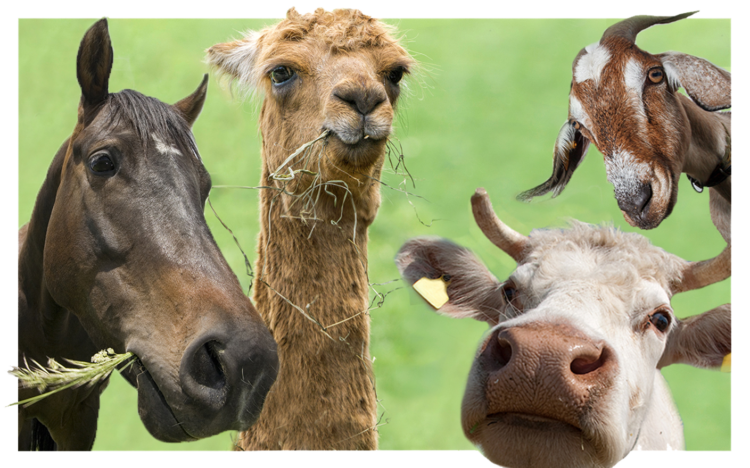
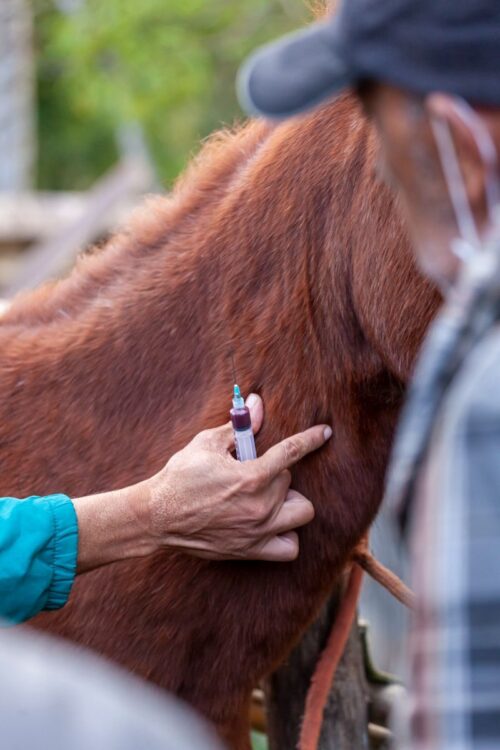
Each case presents students with realistic clinical scenarios where they make decisions regarding triage priorities, diagnostic testing, and treatment options, receiving immediate interactive feedback on the outcomes of their choices. The modules cover common medical emergencies across large animal species including horses, goats, llamas, and beef cattle. Throughout each module, embedded links to evidence-based resources and instructional videos provide additional learning support at critical decision points. VETS is deployed via the web and learning management systems, making it accessible to veterinary students regardless of geographic location.
Benefits
| Benefit |
|---|
| Provides consistent, standardized case material to all students regardless of clinical rotation caseload variability. |
| Enables self-paced, flexible learning that accommodates diverse student learning styles and schedules. |
| Develops critical clinical reasoning and decision-making skills through interactive, scenario-based problem solving. |
| Scalable platform with potential for expansion to additional veterinary specialties and institutions nationwide. |
More Information
- Rachel Valentine
- Assistant Technology Manager
- 865-974-4492 | rvalen18@tennessee.edu
- UTRF Reference ID: 19067
- Patent Status: N/A
Innovators
Meggan T. Graves, DVM
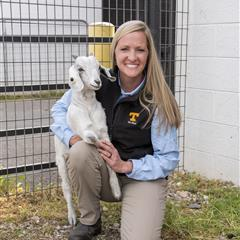
Clinical Associate Professor, Large Animal, UT Institute of Agriculture, UT Knoxville
Dr. Meggan Graves grew up riding Hunter Jumper horses and showing Suffolk sheep with 4-H in Cookeville, Tennessee. Upon graduation from veterinary school in 2001, Dr. Graves went into equine practice treating both ambulatory and hospital cases. She served clients in coastal South Carolina, Georgia, and West Tennessee. Dr. Graves opened her own private practice in western North Carolina in 2008, pr...
Dr. Meggan Graves grew up riding Hunter Jumper horses and showing Suffolk sheep with 4-H in Cookeville, Tennes...