REALISITIC MODEL OF CANINE NOSE FOR NG TUBE PLACEMENT TRAINING
The Problem
Training in placement and suture tie-down of medical devices, particularly nasogastric (NG) tube use is essential for veterinary professionals. However, several problems can occur without proper training. Proper training is difficult to obtain because of limited hands-on opportunities. Animal welfare concerns restrict live-animal practice. Reliance on cadavers may not perfectly replicate tissue resistance, anatomical variation, or live-patient responses. Finally, without regular reinforcement of practice, practitioner skills degrade quickly. Because of this, new training methods are needed.
The Solution
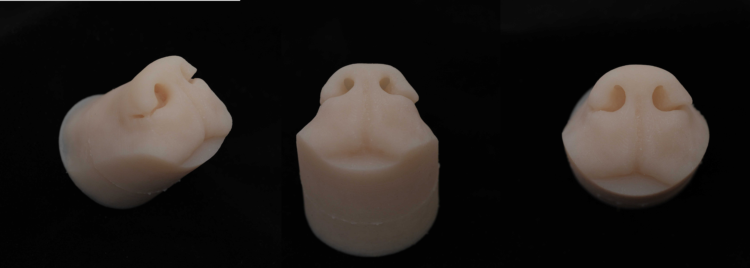
Researchers at the University of Tennessee have created a silicone surgical training model to train placement and suture tie-down of medical devices, primarily nasogastric tubes, for veterinary professionals. The model was created using a proprietary 3D printed PLA mold generated from a custom CT-segmented generated model.
Benefits
| Benefit |
|---|
| Provides unique anatomic replication for a normal canine nose to train placement and suture tie-down of NG tubes |
| Silicone model allows easier, but lifelike training without a need for cadaver or live-animal labs |
| More affordable than other training methods |
More Information
- Tyler Newton
- Assistant Technology Manager
- 865-974-1882 | cnewto12@tennessee.edu
- UTRF Reference ID: 26020-01
- Patent Status:
Innovators
Tim Chamberlain
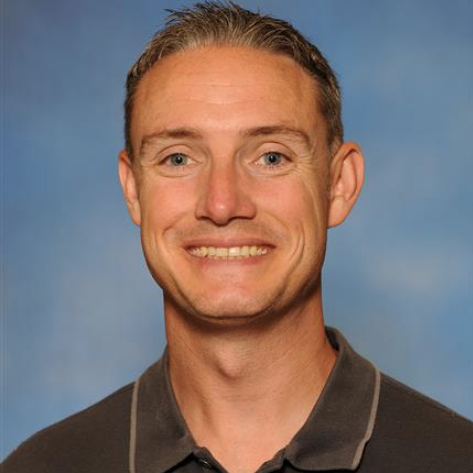
Doctor of Veterinary Medicine (DVM) and MS in Comparative and Experimental Medicine
Dr. Chamberlain is a clinical instructor in the Biomedical and Diagnostic Sciences Department at the University of Tennessee College of Veterinary Medicine. His research focus includes anatomic discovery, artificial intelligence, photogrammetry, and 3D modeling for simulations. His teaching focus includes Small and Large Animal Gross Anatomy.
Read more about Tim Chamberlain